What is integrative health?
March 2026

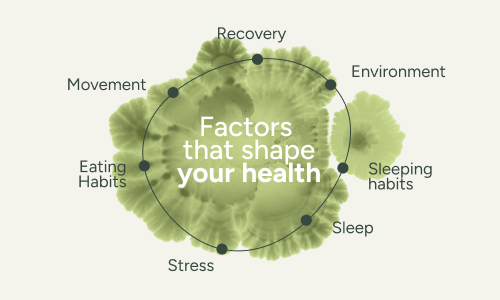
Integrative health is a model of care that combines conventional medicine with evidence-informed therapies and complementary approaches in a coordinated, patient-centered care model. It is based on a simple but important idea: Health is shaped by more than diagnoses alone. It’s influenced by how we eat, sleep, move, recover, manage stress and live within our environments.
For many, that underlying concept likely feels intuitive. They already know their well-being is not determined by any single factor. What integrative health offers is a more structured way to bring that reality into a healthcare setting, often drawing from holistic medicine, lifestyle medicine and other clinically appropriate disciplines to support the whole person.
What integrative health looks like
At its core, integrative health is about coordination. It does not reject conventional medicine, nor does it treat complementary therapies as inherently superior. It instead asks how different forms of care can work together in a way that is medically sound, personalized and supportive of the whole person.
This might include a traditional medical evaluation alongside nutritional support, sleep optimization, stress management, movement-based care or selected complementary therapies, depending on the patient and the clinical context. The aim is not to make care feel expansive for its own sake. It is to make it more coherent.
Integrative health recognizes that wellness is rarely supported by a single intervention alone. It takes the broader picture seriously. That broader perspective is also increasingly reflected in whole-person health research, which examines how biological, behavioral, social and environmental factors interact to shape outcomes over time.
How integrative health differs from alternative medicine
This distinction matters because the terms are often confused. Alternative medicine suggests a replacement for standard care. Integrative health, by contrast, is additive. It works alongside conventional treatment rather than in opposition to it.
That difference is part of what makes integrative health more credible and more relevant in a modern clinical setting. It allows room for nuance. It acknowledges that prescription medication, diagnostics, specialist care and established treatment protocols have an essential role, while also recognizing that long-term health often requires attention to factors that conventional systems may not always have the time or structure to address fully.
When practiced well, integrative health is neither rigidly traditional nor loosely trend-driven. It is disciplined, open-minded and grounded in clinical judgment. NCCIH specifically distinguishes alternative medicine from integrative care by noting that integrative approaches are used together with conventional treatment, not in place of it. That distinction is one of the clearest reasons integrative health carries more clinical credibility in a modern setting.
What integrative care can include
Because it is individualized, integrative care can take many forms. For one person, it may mean combining medical care with nutrition and behavioral support. For another, it may include hormone optimization, recovery strategies, stress regulation and restorative therapies that support resilience and overall function.
What connects these approaches is not the exact list of modalities, but the philosophy behind them. Integrative care considers the full experience of health and asks which combination of tools is most appropriate for the individual. Beyond intervention, it creates room for prevention. It values quality of life, not just pain or disease management.
This makes it particularly appealing to patients who want to take a more proactive role in their health.

Why this model resonates with modern patients
Many patients are no longer satisfied with care that feels reactive, fragmented or disconnected from daily life. They want a model that recognizes how stress, sleep, metabolism, hormones, skin, mental clarity and physical vitality may overlap. They want care that reflects the complexity of being human without vague or unquantifiable aims.
This is where integrative health is particularly relevant. It offers a more connected way of thinking about well-being, one that respects evidence while also making space for the lived realities that shape health over time. For patients who are thoughtful, ambitious and motivated to invest in themselves, that model can feel far more aligned than care built entirely around isolated symptoms.
At Moda, this perspective is especially resonant because the practice already operates at the intersection of internal wellness and outward vitality. Integrative health is not simply a keyword within that framework. It is a meaningful expression of how care is delivered.
Why it matters
Integrative health matters because it reflects a broader evolution in what people are asking of healthcare. They are not only looking for treatment when something goes wrong. They’re seeking guidance, preventative care and context that considers them as a unique, complete and interconnected system.
In that sense, integrative health is not about doing everything. It is about doing what matters, with greater intention. It provides structure to the idea that health is multidimensional. When approached with rigor and discernment, it creates space for a model of medicine that is both grounded and expansive.
That is what makes it compelling. Not novelty, but relevance. Not excess, but connection. And for patients seeking a more personalized, future-facing approach to care, that can make all the difference.
Patients interested in a more coordinated, personalized approach can explore Moda’s functional wellness services or schedule a call to learn what that care model may include.
Frequently asked questions
Integrative health is a care model that combines conventional medicine with evidence-informed complementary approaches in a coordinated, patient-centered way. Rather than focusing only on isolated symptoms, it considers the broader factors that influence health, including nutrition, sleep, movement, stress and environment.
No. Integrative health is not the same as alternative medicine. Alternative medicine suggests using non-mainstream therapies instead of conventional care, while integrative health brings complementary approaches together with standard medical treatment.
Integrative care can include conventional medical evaluation alongside nutrition support, stress management, movement-based care, sleep optimization, behavioral support, hormone-related care, recovery strategies or other complementary therapies, depending on the patient and clinical context.
Integrative health aims to be evidence-informed and clinically appropriate. Its credibility comes from using complementary approaches with discernment, alongside conventional medicine, rather than treating every therapy as equally valid or universally appropriate.
Integrative health often appeals to patients who want a more proactive, personalized and coordinated care experience. It can be especially relevant for people who feel their health concerns are interconnected and want support that reflects the full picture of their well-being.
Many patients are drawn to integrative health because they want care that feels less reactive and less fragmented. They want a model that recognizes the relationship between daily life and long-term health, while still respecting clinical rigor and medical expertise.
Clinical references
National Center for Complementary and Integrative Health. Whole Person Health: What It Is and Why It’s Important.
PubMed. Whole Person Health. A New Paradigm for the 21st Century.
PubMed Central. Whole-person health and prevention research related to lifestyle, behavior, and long-term outcomes.
Featured Articles
What is laser therapy?
Due to its precision, laser therapy has become an important part of modern aesthetic medicine.

What does a functional medicine doctor do?
A functional medicine doctor is a clinician who takes a broader, systems-based view of health.

Collagen stimulation treatments
Collagen stimulation treatments have become increasingly central to aesthetic medicine because they reflect a more sophisticated understanding of skin aging.