Collagen stimulation treatments
April 2026

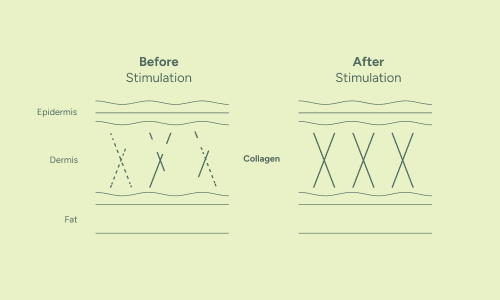
Collagen stimulation treatments have become increasingly central to aesthetic medicine because they reflect a more sophisticated understanding of skin aging. Rather than focusing solely on surface correction or immediate change, these treatments are designed to support the skin’s own regenerative capacity. They work by encouraging collagen production over time, helping improve firmness, texture and resilience in a way that often feels gradual, natural and lasting. For many patients, that collagen production boost is part of what makes these treatments so compelling.
The goal is not to look dramatically altered. It’s to support healthier, stronger skin with treatments that work in partnership with the body rather than against it.
Why collagen matters
Collagen is one of the primary structural proteins in the skin. It contributes to firmness, elasticity and the smooth, supported quality people often associate with healthy skin. Over time, collagen production declines as part of the natural aging process. Stress, inflammation, sun exposure and other environmental factors can accelerate that shift, leaving skin thinner, less resilient and more prone to fine lines, textural change and laxity.
That decline is one of the main reasons skin can begin to look tired or less supported, even before other, more obvious signs of aging appear. It’s also why collagen has become such a central focus in both preventive and restorative aesthetic care.
When treatments are designed to stimulate collagen rather than merely mask its loss, they can support a more foundational improvement.
How collagen stimulation treatments work
Collagen stimulation treatments deliver a controlled signal that prompts the skin to repair and rebuild. Depending on the modality, that signal may come from micro-injury, heat, light energy, or an injectable biostimulator. The common thread is that the treatment activates a regenerative response that unfolds over time.
The time element is important. Unlike treatments that create immediate volume or a fast cosmetic shift, collagen stimulation tends to work gradually. Skin may begin to appear smoother, firmer or more refined over the course of weeks, or even months as new collagen develops. That slower progression is not a drawback. It is part of the value. The results often look and feel more subtle and more integrated with the way the face or skin naturally evolves.
This also makes collagen stimulation especially relevant for patients who are thinking long-term. It supports skin quality, not just momentary improvement.
Common types of collagen stimulating treatments
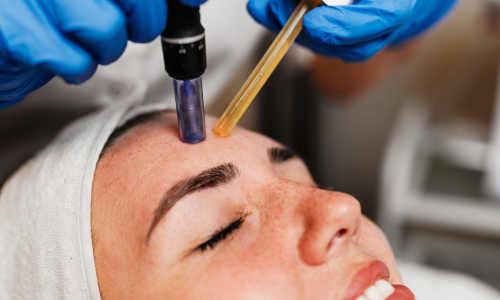
Microneedling is one of the best-known methods for stimulating collagen. By creating controlled micro-injuries in the skin, it stimulates the body’s repair response and encourages new collagen formation, a process also described by the American Academy of Dermatology. This can help improve overall texture, soften the look of certain scars and support smoother, healthier-looking skin.
Biostimulatory injectables are another important category. These differ from traditional fillers because their main purpose is not to achieve immediate volume, but gradual structural support through collagen production. They are often chosen by patients seeking a more progressive, understated approach to facial rejuvenation.
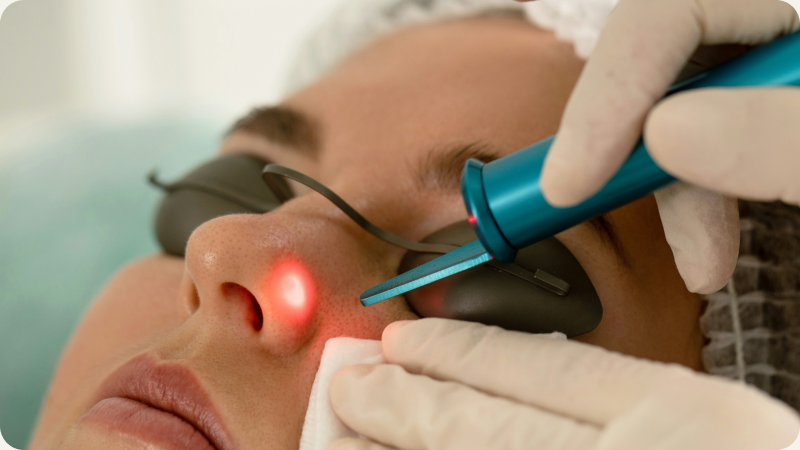
Laser and energy-based treatments can also stimulate collagen, particularly when skin resurfacing or firmness is part of the goal. In those cases, the treatment may support both correction and renewal, helping improve visible texture while also strengthening the skin beneath the surface.
What matters most is not simply the category, but the match. Different treatments are suited to different concerns, timelines and patient goals.
What kind of results to expect
Collagen stimulation treatments tend to appeal to patients who want improvement that looks natural rather than abrupt. They may help with fine lines, mild laxity, dullness, crepey texture and early signs of structural decline. In many cases, the skin begins to look stronger, smoother and more luminous rather than obviously “done.”
That said, results are rarely instantaneous. Most collagen-based treatments are best understood as an investment in skin quality. While some patients benefit from a series of treatments, many find the greatest value in collagen stimulation as part of a broader long-term plan. That gradual timeline is consistent with how Cleveland Clinic describes collagen remodeling after RF microneedling, with improvements often developing over weeks to months rather than all at once.
This is where expectations matter. These treatments are not meant to function like surgery, nor do they replace every other category of skin care. But for the right patient, they can create meaningful change with a level of subtlety that feels both modern and sustainable.
A more personalized approach
What makes collagen stimulation treatments so relevant today is that they align with a broader shift in aesthetics. Increasingly, patients are less interested in dramatic correction than in preserving vitality, supporting skin health and aging with intention. Collagen-focused treatments speak directly to that mindset and can offer meaningful anti-aging support in a way that feels subtle, modern and sustainable.
At Moda Wellness, that philosophy fits naturally within our larger model of care that values regeneration, precision and long-term well-being. The emphasis here is on understanding what the skin needs, choosing the right intervention and supporting results that feel natural and elevated.
In that sense, collagen stimulation is more than a treatment category. It’s a considered way of thinking about aesthetic care that’s grounded in biology, guided by expertise and designed to support how patients want to feel in their skin over time.
The right collagen stimulation treatment depends on your skin, your concerns and your goals. Book an appointment with our team to create a plan tailored to all three.
Frequently asked questions
Collagen stimulation treatments create a controlled signal that prompts the skin to repair and rebuild. Depending on the treatment, that signal may come from microneedling, laser energy or a biostimulatory injectable, with results that develop gradually as new collagen forms.
Most collagen stimulation treatments work over time rather than immediately. Some patients begin to notice changes within a few weeks, while fuller results often continue to develop over several months as collagen production increases.
Some of the most common collagen stimulation treatments include microneedling, radiofrequency microneedling, laser-based treatments and biostimulatory injectables such as poly-L-lactic acid. The right option depends on the concern being treated, the area involved and the patient’s goals.
They serve different purposes. Traditional fillers are often used for more immediate volume, while collagen stimulation treatments are typically chosen for gradual improvement in skin quality, firmness and structural support over time.
These treatments often appeal to patients who want natural-looking improvement and are comfortable with results that unfold gradually. A consultation is still important, since not every treatment is right for every skin concern, timeline or medical history.
Depending on the modality, collagen stimulation treatments may help improve texture, fine lines, mild laxity and overall skin quality by encouraging the skin’s own repair response.
Clinical references
American Academy of Dermatology. Microneedling can fade scars, uneven skin tone, and more.
Cleveland Clinic. Radio Frequency (RF) Microneedling.
American Society for Dermatologic Surgery. Injectable Poly-L-Lactic Acid
Featured Articles

What is integrative health?
Integrative health is a model of care that combines conventional medicine with evidence-informed therapies and complementary approaches in a coordinated, patient-centered care model.
What is laser therapy?
Due to its precision, laser therapy has become an important part of modern aesthetic medicine.

What does a functional medicine doctor do?
A functional medicine doctor is a clinician who takes a broader, systems-based view of health.