Hormone fluctuations: what your skin may be telling you

Sometimes, the first sign of change is not feeling quite like yourself. You may notice it in the mirror, in the way your usual routine suddenly feels less effective, or simply in the sense that your body is asking for something different.
Hormone shifts can influence your energy, mood, metabolism, sleep and body composition. They can also affect the skin, which is often one of the more visible places those changes begin to appear. When several shifts happen together, it can be difficult to know where one concern ends and another begins.
At Moda Wellness, we consider the skin changes you are noticing alongside your goals, lifestyle and overall wellness. We start with the full story, not a single symptom. When several concerns begin to overlap, looking at them together can help shape care that feels more thoughtful, more personal and better suited to meaningful, lasting improvement.
How hormones show up in your skin
Your skin often reacts before you understand what has changed. Hormone shifts can affect oil production, hydration, inflammation and repair, leading to dryness, excess oil, sensitivity, breakouts or slower healing. These changes may arrive gradually or seem to appear all at once. Either way, they are worth noticing.
Different hormones influence the skin in different ways. Estrogen supports hydration, elasticity, skin thickness and collagen. Progesterone can affect oil production and inflammation, while testosterone and other androgens influence oil glands, hair growth and skin structure in both women and men.
These changes are also shaped by sleep, stress, nutrition, blood sugar and thyroid function. That is why hormonal imbalance in skin can look different from one person to the next. One person may notice adult acne appearing or returning later in life, while another may experience dryness, sensitivity, thinning hair or a gradual loss of firmness. Your experience does not need to look like anyone else's to be valid or worth exploring.
Signs your hormones may be shifting
Hormonal changes may be accompanied by:
- Fatigue or disrupted sleep
- Mood changes or brain fog
- Weight gain or changes in body composition
- Adult acne
- Dry, sensitive or thinning skin
- Changes in hair density or growth
- Reduced libido
- Loss of muscle or skin firmness
You may recognize one of these changes or several and the pattern may become clearer only when you look back over time.
A broader wellness perspective can help you consider how your skin, sleep, energy, mood and daily habits may be connected. If several changes appear together or persist over time, it is also wise to speak with your doctor or another qualified medical professional. The goal is not to self-diagnose. It is to notice what feels different, stay curious and seek support when something is affecting your daily life.
Hormone changes for women
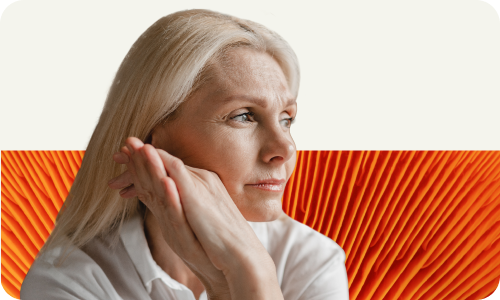
Hormonal shifts can affect how women feel as well as how their skin looks at many stages of life. These changes may become especially noticeable during pregnancy, postpartum recovery, perimenopause and menopause. For many women, the changes are not neat, predictable or easy to name and that uncertainty can be frustrating in itself.
Breakouts and monthly changes
In the days before a period, shifting hormone levels can increase oil production and inflammation, often leading to breakouts around the chin, jawline, neck, chest or back. Androgens, including testosterone, can add to that response by making the oil glands more active and contributing to recurring adult acne. It can feel especially discouraging when the skincare that once worked suddenly seems to stop helping.
These cyclical breakouts are not a sign that your skin is dirty or that your routine has failed. Hair and skincare products, friction, medications and other factors may also contribute. If acne is persistent, painful or beginning to scar, professional care is often more helpful than reaching for harsher products. Your skin is responding to a changing internal environment; it does not need to be scrubbed, stripped or punished.
Perimenopause and menopause
During perimenopause, estrogen and progesterone can shift unpredictably. Breakouts may return just as skin begins to feel drier, thinner or more sensitive. Changes in sleep, mood, energy, menstrual patterns and weight may occur at the same time. It can feel as though your skin is asking for two opposite things at once: more moisture and more breakout support.During perimenopause, estrogen and progesterone can shift unpredictably. Breakouts may return just as skin begins to feel drier, thinner or more sensitive. Changes in sleep, mood, energy, menstrual patterns and weight may occur at the same time. It can feel as though your skin is asking for two opposite things at once: more moisture and more breakout support.
As estrogen declines around menopause, the skin may hold less moisture, produce less collagen and gradually lose firmness. The American Academy of Dermatology Association also notes that hair may become less dense during this stage.
These menopause skin changes are part of biology, not a failure of skincare. Daily care can help support the skin, while aesthetic wellness services offer a more personalized approach to the changes you are noticing. You deserve options that help you feel comfortable, confident and more at home in your skin as it changes.
Hormone changes for men
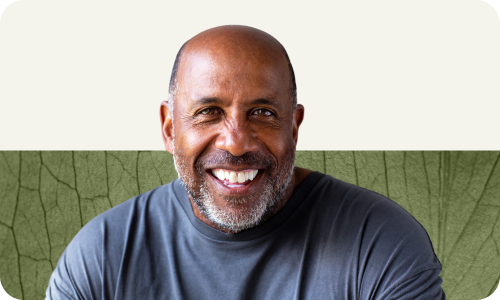
Hormonal changes in men can be easy to miss because they often happen gradually. Changes in energy, strength, mood or sexual health may be easy to dismiss as ordinary aging. Because the changes can be subtle, many men adjust to them without realizing how much their baseline has shifted.
Testosterone supports muscle mass, bone health, energy, mood and sexual function. When levels are clinically low, men may notice fatigue, reduced libido, difficulty concentrating, loss of strength or changes in body composition. Changes in hair or skin quality may also occur, although scalp hair loss is often more closely linked to genetics.
Cleveland Clinic identifies low energy, reduced sex drive and muscle loss among the possible signs of testosterone deficiency. Urologist Raevti Bole, MD, notes that symptoms and laboratory results should be considered together.
While these concerns can be difficult to discuss, you should not have to feel disconnected from or unhappy in your own skin. Speaking with a qualified medical professional can help clarify what may be contributing and whether further evaluation is appropriate. A conversation about these changes does not have to be awkward or all-or-nothing; it can simply be a starting point for understanding what your body needs now.
How sleep, stress and energy connect
Sleep is when much of the body's repair work happens. When sleep is consistently disrupted, the effects may show up through lower energy, changes in mood, difficulty concentrating and skin that appears duller, feels more sensitive or recovers more slowly. Sometimes, the mirror reflects a stretch of poor sleep before you have found the words for how depleted you feel.
Stress can add another layer. Prolonged stress may influence inflammation, appetite, oil production and daily habits, making fatigue, weight changes, breakouts or irritation more difficult to manage. This is not about blaming stress for every change. It is about recognizing the load your body may be carrying.
The connection between fatigue hormones and how you feel is rarely explained by one thing alone. Sleep, stress, blood sugar, nutrition, thyroid health and hormone changes can overlap, which is why looking at the broader pattern may be more useful than focusing on one symptom.
Moda Wellness' functional wellness approach considers the patterns surrounding your energy, sleep, stress and overall well-being rather than looking at one concern in isolation. We make space for the way these pieces interact, so your care can reflect your real life rather than a single number or concern.
Caring for skin as hormones change
Hormonal shifts may influence the way your skin ages, but they are only one part of how it looks, feels and repairs itself over time. Genetics, sun exposure, stress, inflammation, smoking and pollution all play a role.
The good news is that consistent care can still make a difference. Start with a gentle cleanser, a moisturizer suited to your skin and broad-spectrum sunscreen. If your skin is dry or sensitive, avoid aggressive exfoliation and introduce active ingredients slowly. If you are acne-prone, choose non-comedogenic products rather than trying to strip away every trace of oil. The best routine is one your skin can tolerate and you can sustain.
Professional treatments may help with concerns topical care cannot fully address. Microneedling can support the appearance of acne scars, fine lines and uneven texture. Chemical peels may improve clarity and smoothness. Light and laser treatments can address pigmentation, redness and sun damage, while biostimulators may support gradual collagen production. The right option depends on your skin type, tone, health history, medications, goals and comfort with downtime. A thoughtful plan may combine approaches over time rather than trying to address every concern at once.

When it helps to look deeper
There is no one-size-fits-all answer for hormone fluctuations and no single path forward. The most useful next step is often understanding which patterns matter for you.
For women, that may include menstrual changes, perimenopause or menopause symptoms, sleep, medications and changes in hair or skin. For men, it may involve energy, libido, muscle mass, body composition and sleep quality.
Because these symptoms can overlap with many other concerns, treatment should be guided by the full picture. Hormone therapy is not right for everyone and should only be considered with an appropriately qualified medical professional. The Endocrine Society recommends evaluating both symptoms and consistently low testosterone levels before diagnosing testosterone deficiency.
Not every concern has a complex underlying cause, but your care should still reflect more than what is visible on the surface. You do not need to arrive with the right words or a fully formed theory about what is happening. Sometimes, the most helpful first step is simply having the space to take it. Not sure where to start? Schedule a 15-minute consultation with our team to talk through your concerns and learn what personalized care could look like for you.
Frequently asked questions
What does hormonal imbalance in skin look like?
It may appear as adult acne, increased oil production, dryness, sensitivity, thinning, reduced firmness, slower healing or changes in hair growth. These concerns can also have non-hormonal causes. The timing, pattern and combination of symptoms can be just as informative as the skin change itself.
Can hormonal changes cause adult acne in women and men?
Yes. Androgens influence oil production in both women and men. Women may notice cyclical or perimenopausal acne, while men may experience breakouts related to androgen activity, medications or testosterone treatment. Persistent or painful acne deserves thoughtful evaluation, not blame.
What are common menopause skin changes?
Common changes include dryness, thinning, reduced firmness, increased sensitivity, adult acne and changes in facial or scalp hair. The experience varies widely and your care can evolve as your skin does.
Can low testosterone affect more than a man's skin?
Yes. Clinically low testosterone may be associated with reduced muscle mass, increased body fat, lower energy, reduced libido and changes in facial or body hair. These concerns can also have other causes. A qualified medical professional can help determine whether testing is appropriate.
Are fatigue, mood changes and weight gain always hormonal?
No. These symptoms may be influenced by hormones, but they can also result from stress, sleep problems, medications, nutritional deficiencies and other health conditions. Looking at the full context can help keep one symptom from carrying the whole story.
Will balancing my hormones clear my skin?
Not necessarily. Even when hormones contribute to a skin concern, supportive skincare or dermatologic treatment may still be needed. Effective care often considers internal health and external skin support together. The aim is not a perfect number; it is care that helps you feel and function more like yourself.
Clinical references
American Academy of Dermatology Association. Caring for your skin in menopause.
National Institute on Aging. Skin Care and Aging.
Endocrine Society. Testosterone Therapy for Hypogonadism Guideline Resources.
Cleveland Clinic. Low Testosterone: Hypogonadism, Symptoms & Treatment.
Cleveland Clinic Consult QD. Managing Testosterone Deficiency.
Featured Articles

How to prevent skin aging
Skin changes with time. That's not a flaw, it's biology.
What does microneedling do?
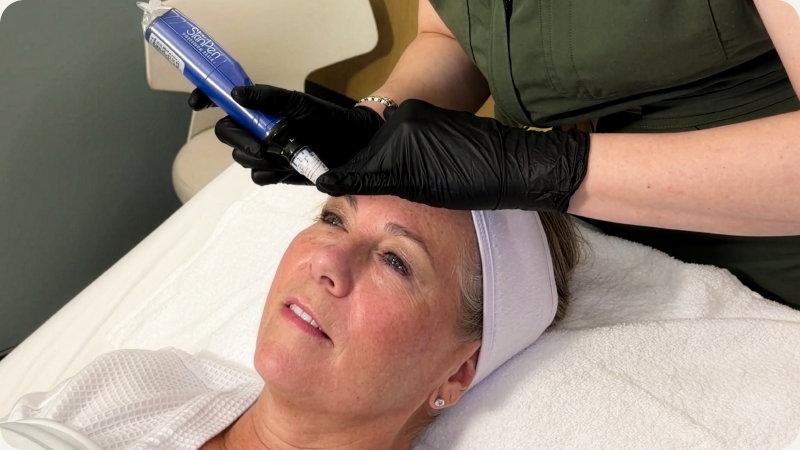
Microneedling is a minimally invasive treatment that creates controlled micro-injuries in the skin to stimulate repair, encourage collagen production and support smoother, firmer-looking skin over time.

What does a functional medicine doctor do?
A functional medicine doctor is a clinician who takes a broader, systems-based view of health.