How to build an anti-inflammatory meal plan
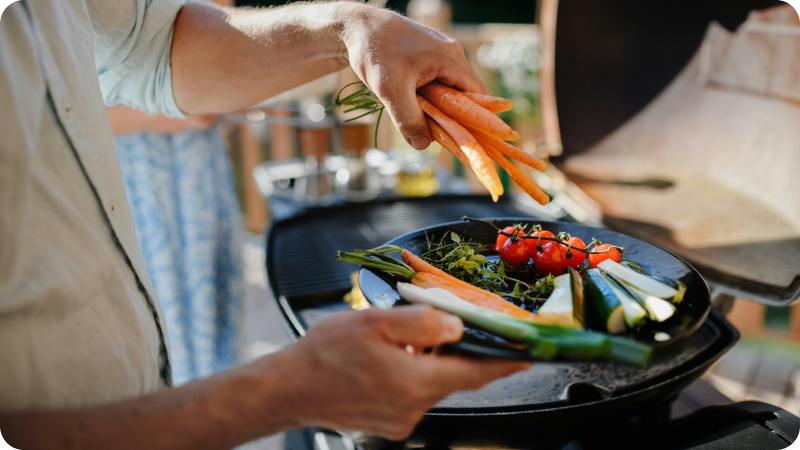
Inflammation isn't always the enemy. In short bursts, it's one of the body's best tools, helping you heal a cut or fight off a cold. The trouble starts when it lingers.
Low-grade inflammation doesn't always announce itself. It can build quietly over time, showing up as low energy, sluggish digestion or skin that seems a little off. In functional medicine, it's one of the first places to look when you don't quite feel like yourself.
The good news? What's on your plate is one of the most direct ways to calm it. An anti-inflammatory meal plan isn't a strict diet or a list of foods to fear. It's a way of eating built on whole, colorful, satisfying foods that give your body what it needs to do what it already knows how to do.
Below, you'll find the core principles, a go-to grocery list and a seven-day sample plan to make it all feel doable.
What makes a meal anti-inflammatory?
There's no single superfood here. The everyday pattern is what matters most and a few simple principles go a long way.
Eat the rainbow. Color on your plate usually signals antioxidants, so aim to add a few shades to every meal, not just your salads. Think berries in your oatmeal, peppers in your stir-fry or black beans and purple cabbage in your tacos. If you tend to reach for the same apple and banana every day, rotate in something new. Your body gets a wider range of nutrients and your meals get a lot more interesting.
Make friends with healthy fats. Extra-virgin olive oil, avocado, nuts and fatty fish like salmon bring omega-3s and other fats that help calm inflammation. They also keep you full and satisfied, which makes the rest of the plan easier to stick with.
Feed your gut. Fiber from beans, whole grains and vegetables nourishes the good bacteria in your gut, and fermented foods like yogurt, kefir and kimchi add even more support. In one Stanford study published in Cell, a diet rich in fermented foods increased microbiome diversity and lowered markers of inflammation. Even a spoonful of sauerkraut with dinner is a good start.
Keep blood sugar steady. Pair carbohydrates with protein, fat or fiber so energy releases slowly and you stay full longer. Go easy on refined sugar and white flour, which digest quickly and can cause spikes and crashes that fuel inflammation over time.
Crowd out, don't cut out. Packaged snacks, processed meats, fried foods and sugary drinks can contribute to inflammation over time. Strict bans tend to backfire, though, because they make those foods feel even more tempting and leave you stuck in an all-or-nothing cycle. Instead, focus on adding more whole foods. Eventually, there's simply less room for the rest.
What are some anti-inflammatory foods?
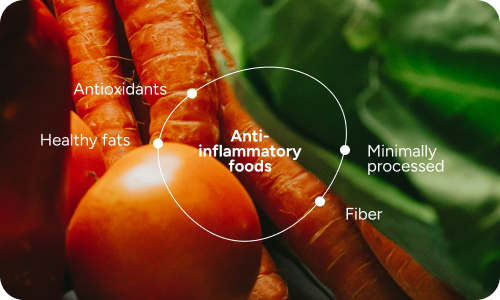
The best anti-inflammatory foods are whole, minimally processed and full of fiber, antioxidants and healthy fats that help your body keep inflammation in check. Keep this anti-inflammatory foods list handy for your next grocery run.
- Vegetables: leafy greens, broccoli, peppers, tomatoes, beets, sweet potatoes
- Fruits: berries, cherries, citrus, pomegranate
- Proteins: salmon, sardines, eggs, beans, lentils, chicken
- Healthy fats: extra-virgin olive oil, avocado, walnuts, almonds, chia and flaxseed
- Whole grains: oats, quinoa, brown rice, farro
- Herbs and spices: turmeric, ginger, garlic, cinnamon
- Fermented foods: plain yogurt, kefir, kimchi, sauerkraut
How an anti-inflammatory diet supports the whole body
Inflammation can touch nearly every system in the body, so calming it pays off well beyond your plate. Over the long term, research published in Nature Medicine links chronic inflammation to conditions like heart disease and type 2 diabetes. Day to day, the benefits of an anti-inflammatory diet often show up much sooner:
- Gut health: A diverse, well-fed microbiome supports digestion, immunity and even mood. When your gut feels good, a lot of other things tend to follow.
- Hormones: Steady blood sugar and healthy fats help hormones stay in balance, which can affect sleep, cycles and mood. For more on that connection, read how diet can influence your hormones.
- Skin: Skin often reflects what's happening on the inside. Redness, breakouts or dullness can be early signals worth listening to. Nutrition works best alongside thoughtful aesthetic care and daily habits that help prevent skin aging.
- Energy: Balanced meals help you skip the spikes and crashes that have you reaching for a third coffee by midafternoon.
The Mediterranean diet meal plan as a model
If you want a proven blueprint, the Mediterranean diet is a great place to start. It's one of the most studied anti-inflammatory eating patterns, built around vegetables, legumes, whole grains, fish and plenty of olive oil. In a large clinical trial published in the New England Journal of Medicine, adults who followed a Mediterranean diet with extra-virgin olive oil or nuts had fewer major cardiovascular events than those on a reduced-fat diet. It's also genuinely delicious, which might be its biggest advantage. The plan below borrows from the same foundation.
Your seven-day anti-inflammatory meal plan
Here's what a weekly meal plan for inflammation can look like in real life. Use this anti-inflammatory breakfast, lunch and dinner guide as a starting point, then swap meals, repeat favorites and make it your own. Cook once, eat twice: several lunches simply use last night's leftovers.
| Day / Meal | Breakfast | Lunch | Dinner | Snack |
| Monday | Overnight oats with chia, berries and walnuts | Quinoa bowl with chickpeas, greens and tahini | Baked salmon with roasted broccoli and sweet potato | Apple with almond butter |
| Tuesday | Greek yogurt with pomegranate and flaxseed | Lentil soup with a side salad | Chicken stir-fry with peppers, ginger and brown rice | Hummus and carrots |
| Wednesday | Spinach and tomato omelet | Leftover stir-fry over greens | Turkey and bean chili | A handful of almonds |
| Thursday | Smoothie with spinach, berries, kefir and chia | Salmon salad with avocado and olive oil | Sheet-pan chickpeas and cauliflower with turmeric | Berries with plain yogurt |
| Friday | Avocado toast on whole-grain bread with an egg | Farro bowl with olives, cucumber and feta | Grilled shrimp with zucchini and quinoa | Green tea and walnuts |
| Saturday | Buckwheat pancakes with berries | Leftover farro bowl | White fish with roasted vegetables | Cherries and a square of dark chocolate |
| Sunday | Veggie frittata | Salad with beans, beets and pumpkin seeds | Slow-cooked chicken and vegetable soup | Kimchi on whole-grain crackers |
Personalizing your functional medicine diet plan
An anti-inflammatory meal plan is a strong foundation, but your body has its own story. Food sensitivities, gut health, hormones, stress and nutrient levels all shape how you respond to what you eat. A meal that energizes one person might leave another feeling bloated.
Food is often a first step in whole-person care. Moda Wellness' functional wellness team takes time to understand your labs, lifestyle and goals, then builds a plan around you. Even if you feel like you have nutrition dialed in, a closer look can uncover small gaps in nutrients, fiber or protein that add up over time.
Wherever you're starting, start small. Add one more vegetable to dinner. Swap your afternoon snack for nuts and fruit. Overhauling everything at once rarely sticks, but steady, incremental changes become habits that last. When you're ready for a plan built around your body, schedule a consultation with our team.

Frequently asked questions
What is an anti-inflammatory meal plan?
An anti-inflammatory meal plan is a way of eating centered on whole foods like vegetables, fruits, whole grains, legumes, fish, nuts and olive oil, with fewer processed foods and added sugars.
What are the best anti-inflammatory foods?
Leafy greens, berries, fatty fish, extra-virgin olive oil, nuts, beans, turmeric, ginger and fermented foods are among the most studied.
How long does it take to notice a difference?
Many people notice changes in energy or digestion within a few weeks. Results vary for each person and consistency matters more than perfection.
Do I need a personalized anti-inflammatory meal plan?
A general plan is a great place to start. If you're dealing with ongoing symptoms or simply want to know what your body needs, a functional medicine provider can tailor it to your labs, symptoms and goals.
Estruch, R., et al. (2018). Primary prevention of cardiovascular disease with a Mediterranean diet supplemented with extra-virgin olive oil or nuts. New England Journal of Medicine, 378(25), e34.
Furman, D., et al. (2019). Chronic inflammation in the etiology of disease across the life span. Nature Medicine, 25(12), 1822-1832.
Wastyk, H. C., et al. (2021). Gut-microbiota-targeted diets modulate human immune status. Cell, 184(16), 4137-4153.
Featured Articles
How diet can influence your hormones
Hormone fluctuations are a normal part of being human. Some of that movement is expected and healthy. Some of it leaves you feeling less like yourself.

Hormone fluctuations: what your skin may be telling you
Sometimes, the first sign of change is not feeling quite like yourself.

How to prevent skin aging
Skin changes with time. That's not a flaw, it's biology.