How diet can influence your hormones

Hormone fluctuations are a normal part of being human. They move with your age, your cycle, your stress and your season of life, shaping how you feel and look along the way. Some of that movement is expected and healthy. Some of it leaves you feeling less like yourself.
It’s easy to overlook how much your daily nutrition shapes that experience. Food does not override your biology, but it influences the environment your hormones operate in, meal after meal, year after year. At Moda Wellness, that does not mean restriction or a trending protocol. It means listening to what your body is asking for and getting a better sense of the whole picture.
Why hormone fluctuations happen
Some hormonal change is written into your biology. The rest is often shaped by how you live.
For women, estrogen and progesterone play a leading role. Both shift across the reproductive years, then decline more noticeably through perimenopause and menopause. The Endocrine Society describes how falling estrogen can contribute to hot flashes, disrupted sleep, mood changes, bone loss and shifts in body composition. Skin often joins that list. Menopause skin changes may include dryness, thinning, reduced elasticity and new sensitivity to products that were previously well tolerated.
For men, the shift is quieter and slower. Testosterone typically declines by about 1% each year after age 30, which means no single year draws attention to itself. The American Urological Association notes that lower testosterone may present as fatigue, reduced libido, muscle loss, increased body fat, hair thinning, mood changes and difficulty concentrating. A decade of gradual change, however, adds up. Symptoms like these are often attributed to aging alone, when they may in fact be measurable and worth addressing.
Where diet comes in
Layered on top of those natural patterns are the influences you may have more say over: chronic stress, insufficient sleep, alcohol and nutrient gaps, along with the inflammation and blood sugar instability they can drive.
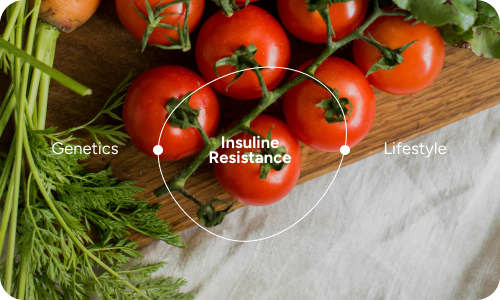
These factors are more responsive to change. Cleveland Clinic notes that insulin resistance is driven by a mix of genetic and lifestyle factors, and that lifestyle changes remain the primary approach to improving it. Because insulin is itself a hormone, and one that interacts with sex hormones, cortisol and thyroid function, steadying blood sugar often supports more than blood sugar alone.
That makes nutrition a practical place to begin. Not because food resolves everything, but because it is the lever you reach for several times a day, every day.
What to eat for steadier hormones
For most people, eating for steadier hormones is less about shopping for specialty items and more about a few things showing up regularly.
Start with what is on your plate at each meal. Meals built largely on refined carbohydrates and added sugars create repeated insulin surges, and over time that pattern can pull sex hormones off balance. Protein, fiber and healthy fat at each meal create a steadier internal environment instead. In practice, that looks like eggs, fish, beans, lentils, yogurt, nuts and olive oil, and a breakfast that includes more than coffee.
From there, a few categories carry particular weight. Cruciferous vegetables like broccoli, cabbage, cauliflower and kale support the liver pathways your body uses to process and clear estrogen. Fermented foods and fiber support your gut, which does much of the work of clearing estrogen from the body. Research has found that a less diverse gut microbiome can shift estrogen levels throughout the body. Fatty fish, walnuts and flaxseed supply the omega-3 fats that help reduce inflammation. Leafy greens, shellfish, seeds and eggs provide minerals like magnesium and zinc that sit behind hormone production itself.
What to ease back on
Alcohol, ultra-processed food and late-day caffeine all make hormonal balance harder to maintain, usually by disrupting your sleep first.
Nutrient shortfalls work more quietly. Zinc, magnesium, vitamin D, selenium and B vitamins all play a role in producing, converting and clearing hormones, and gaps rarely announce themselves. Instead they surface as low energy, slow recovery, dull skin or a shorter emotional fuse. Fatigue is one of the most common reasons people start looking into their hormones, and nutrient sufficiency is often part of that picture.
Multivitamins are the usual first response, and for some people that is a reasonable baseline. It is still a broad tool for what is usually a specific gap. Bloodwork and a conversation with your provider will tell you more than any label can, which is also why whole-person care tends to be more useful here: nutrition, labs and how you actually feel get considered together rather than one at a time.
Skin, hormones and what shows on the surface
Skin is often the first place internal change becomes visible.
Hormonally imbalanced skin may look like adult acne along the jawline and chin, shifts between oiliness and dryness, dullness, new reactivity, rosacea flares or slower healing. Many people adjust their skincare routine first. Sometimes that helps meaningfully. Often the cause sits deeper than anything topical can reach on its own.
For women in perimenopause and menopause, declining estrogen slows collagen production and reduces the skin’s ability to retain moisture. These skin aging hormones are behind changes no serum can fully resolve alone. For men, lower testosterone can affect skin thickness and oil production, leaving skin looking flatter and less resilient. Nutrition works from within by calming inflammation and supplying what cells need to renew well, while topical care and aesthetic treatments address what is visible. Paired thoughtfully, results tend to hold better than either approach on its own.

When food is not the whole answer
Sometimes the nutrition is well established and the symptoms remain. That is worth taking seriously rather than pushing through.
Fatigue that persists despite good sleep. Weight that does not respond to consistent exercise. Skin that does not improve with any product. These patterns often point to something systemic that food alone will not resolve, and they deserve a wider look. That may include comprehensive hormone panels, thyroid and adrenal markers, metabolic labs, or targeted supplementation and botanical support alongside dietary change.
Moda Wellness’ functional nutrition services and functional wellness services are built for that deeper layer, using advanced functional testing and personalized protocols to consider the whole system rather than one symptom at a time.
Personalized plans
There is no single best diet, test or timeline. A thoughtful plan depends on your age, sex, genetics, stress load, sleep and more, which is why knowing what you actually want to change is the most useful place to start.
For some people that is blood sugar and energy. For others it is menopause, thinning hair, muscle loss or skin that no longer responds the way it once did. The most effective plan is the one that feels realistic, safe and personal.
Wherever you land, you do not need to exhaust every supplement, protocol and elimination diet first. When you are ready, schedule a free discovery call to talk through what you are experiencing and find out what care could look like for you.

Frequently asked questions
Why do hormone fluctuations cause fatigue?
Cortisol, thyroid hormones, insulin, estrogen and testosterone all help regulate how your body produces and uses energy, so fatigue is rarely traceable to a single cause. Blood sugar swings, inflammation and nutrient gaps can all contribute, often at the same time. That is why fatigue persisting despite good sleep and exercise usually warrants a closer look rather than a quick fix.
Can diet improve hormonal imbalance?
Diet alone may not resolve a complex hormonal concern, but it can meaningfully support balance by stabilizing blood sugar, reducing inflammation, supporting gut health and supplying the nutrients needed to build and clear hormones. For most people, nutrition is foundational rather than complete.
What foods support hormone health?
Leafy greens, cruciferous vegetables, fatty fish, nuts, seeds, legumes, fermented foods, berries and quality protein all tend to support hormonal balance. No single list applies to everyone, and the right approach depends on your biology and what your symptoms suggest.
Do men experience hormonal changes that affect skin and energy?
Yes. Declining testosterone may contribute to fatigue, low motivation, increased body fat, hair thinning, reduced libido, mood changes and skin that appears less resilient. The decline is gradual, which makes it easy to dismiss, but it is measurable and it can be addressed.
How do I know if my symptoms are hormone-related?
Persistent fatigue, skin changes, unexplained weight shifts, mood instability, poor sleep, brain fog and low libido may all have a hormonal component. Functional testing can help clarify what is happening and guide a more targeted plan.
Can nutrition help with menopause symptoms?
It may. Nutrition can support the body through menopause by addressing inflammation, protecting bone health, improving sleep quality, managing weight shifts and easing the intensity of hot flashes and mood changes. It works best as part of a personalized, whole-person plan.
Clinical references
Endocrine Society. Menopause.
American Urological Association. Evaluation and Management of Testosterone Deficiency.
Cleveland Clinic. Insulin Resistance.
Baker JM, Al-Nakkash L, Herbst-Kralovetz MM. Estrogen-gut microbiome axis: Physiological and clinical implications. Maturitas. 2017;103:45-53.
Featured Articles
Hormone fluctuations: what your skin may be telling you
Sometimes, the first sign of change is not feeling quite like yourself.

How to prevent skin aging
Skin changes with time. That's not a flaw, it's biology.
How to make your skin smooth
With the right care plan, skin smoothing treatments can help improve skin texture, soften visible irregularities and support a fresher, more even-looking complexion.